

Black Hills fall colors move fast, usually a two to three week window, and if you show up a week too early or too late, you’ll miss most of it. Here’s the local timing, the best drives, and where to base yourself to catch it right.
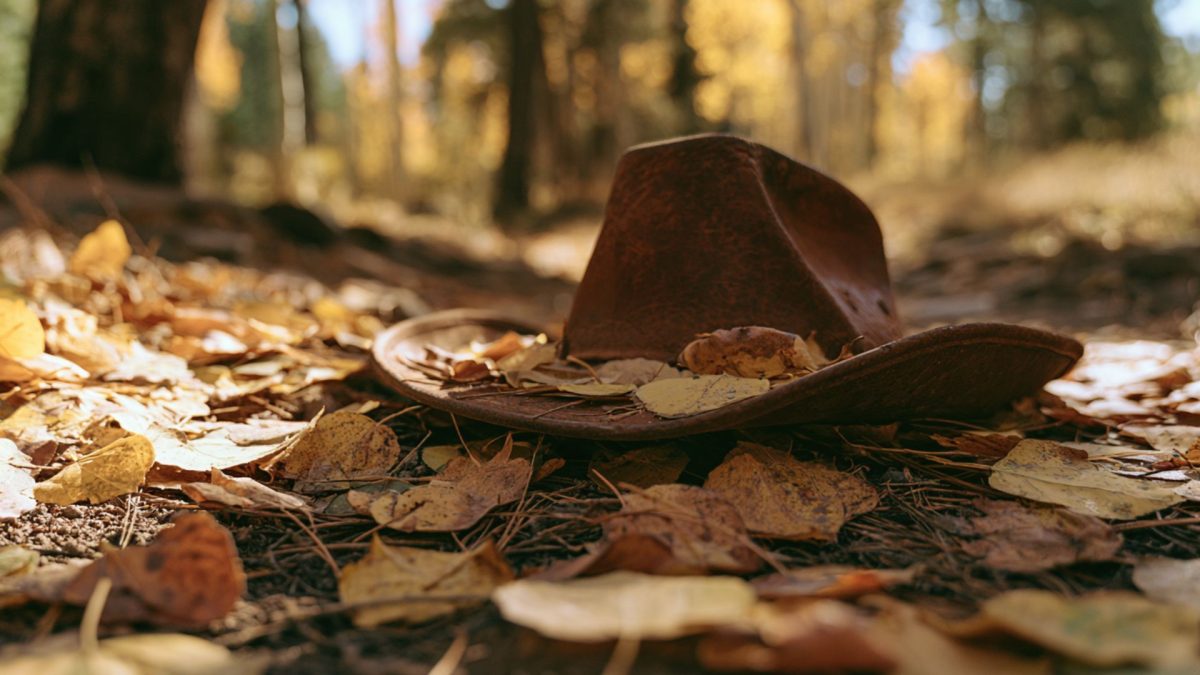
When Do Fall Colors Peak in the Black Hills?
Short answer: mid-September through mid-October, with the exact week shifting year to year based on rainfall and temperature. If you’re specifically planning around Black Hills in October, that’s usually the safest bet for lower-elevation color, though early October can still catch the tail end of higher-elevation peak.
Elevation matters here. The higher country around Lead and Terry Peak typically turns first, sometimes by early to mid-September, while lower elevations near Custer and Spearfish Canyon usually peak a week or two later, closer to late September into early October.
Local tip: Don’t plan around a single date. Instead, build in a flexible day or two and check a color report the week of your trip. Travel South Dakota’s fall color guide updates through the season and is the most reliable source for real-time conditions.
Best Scenic Drives for Black Hills Fall Colors
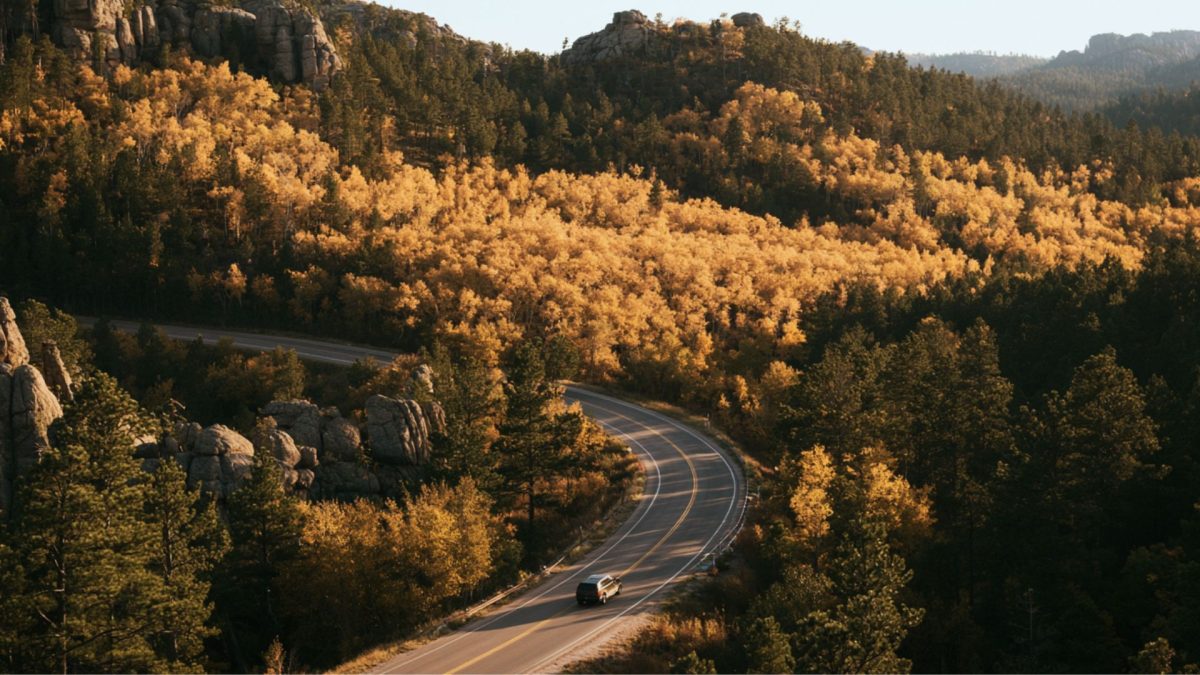
You don’t need to hike to see great color. Some of the best fall colors in the Black Hills is visible right from the car.
Spearfish Canyon Scenic Byway (Route 14A) The classic. Nineteen miles of golden aspen and birch against limestone cliffs, with waterfalls tucked along the way. It’s the most photographed fall drive in the region, and for good reason.
Iron Mountain Road This one adds Mount Rushmore to the mix. The pigtail bridges and tunnels frame the monument through changing leaves, and the road itself, switchbacks and all, is worth the drive on its own.
Needles Highway Granite spires plus fall color, all inside Custer State Park. Pair it with Wildlife Loop Road and you’ve got a decent shot at bison against a backdrop of turning leaves.
Vanocker Canyon Road Quieter and less crowded than the others. Runs from Sturgis toward Nemo through dense forest, a good pick if you’d rather skip the tour traffic on Spearfish Canyon during peak weekends.
See our full breakdown of scenic drives near Deadwood for mileage and drive times on each.
What Makes Black Hills Fall Colors Different
The Black Hills won’t give you the wall-to-wall reds of a New England fall, and that’s kind of the point. The color here shows up in contrast, not volume.
Gold and yellow aspen and birch dominate, with pockets of orange oak and deep red sumac, chokecherry, and dogwood mixed in along creek bottoms and canyon walls. What makes it distinct is the backdrop: dark green ponderosa pine that never turns, pale granite outcrops, and limestone cliffs in places like Spearfish Canyon. That contrast, gold against black-green pine against gray rock, is what photographers actually come here for.
It also means the color reads differently depending on where you are. Canyon drives like Spearfish and Vanocker feel dense and layered, tree cover on both sides. Custer State Park’s more open terrain, especially around Needles Highway, gives you longer sightlines and lets you catch color against rock formations and open meadow at the same time.
Photography Tips for Leaf Peeping
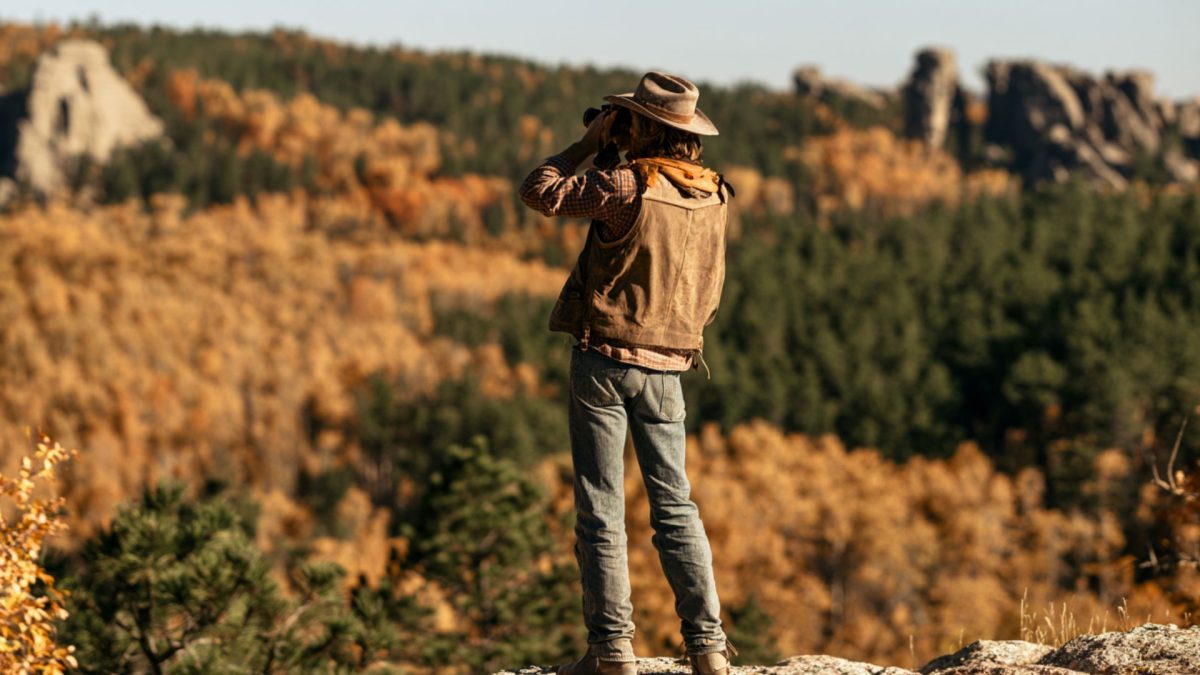
Time of day matters more than the calendar. Spearfish Canyon runs mostly shaded, so midday to early afternoon actually gives better light for the waterfalls and canyon walls than golden hour does. Needles Highway and Iron Mountain Road are the opposite: open terrain means early morning and late afternoon light works best, especially for shots that include Mount Rushmore or the granite spires.
Weekdays beat weekends by a wide margin. Fall is the Black Hills’ second-busiest season after summer, and Spearfish Canyon in particular gets tour-bus traffic on fall weekends. If your schedule allows it, a Tuesday or Wednesday drive gets you the same color with a fraction of the pull-off traffic.
Bring a polarizing filter if you’re shooting with a real camera. It cuts glare on wet leaves and rock after rain, which is common in the canyon, and it deepens the sky behind the aspen canopy.
Best Hikes for Catching the Fall Foliage
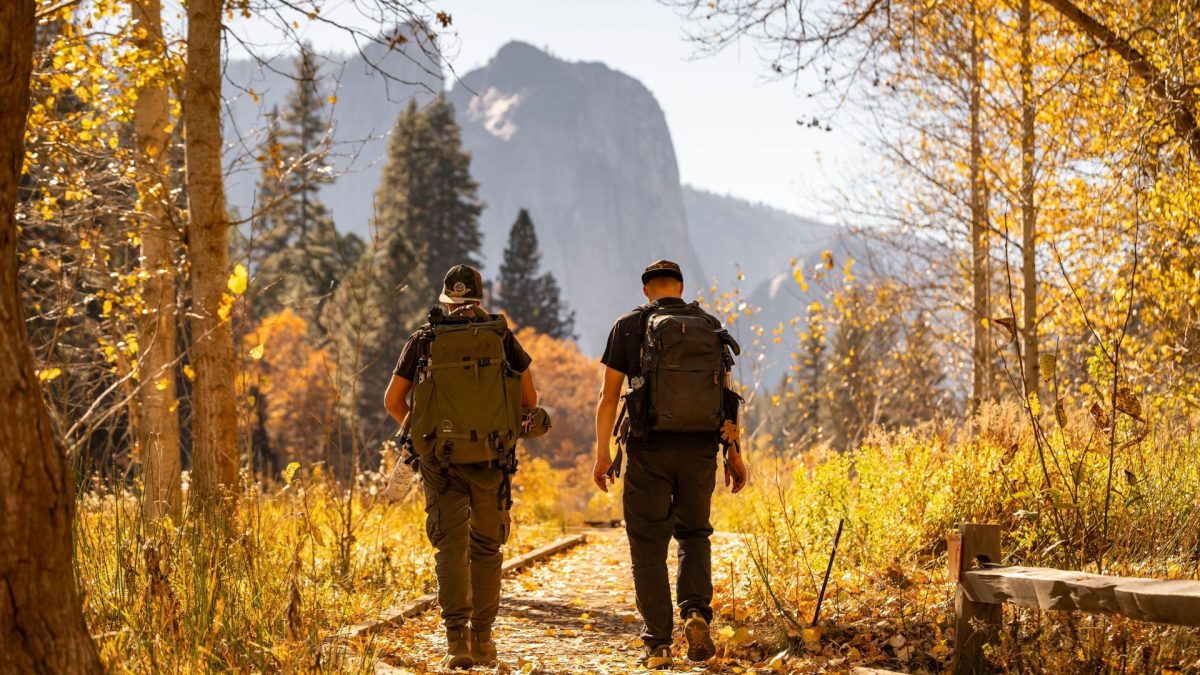
If you want to get out of the car, a few trails put you right in the color instead of just driving past it.
- Cathedral Spires Trail (Custer State Park): short, family-friendly, and surrounded by turning aspen against the granite spires.
- Roughlock Falls Trail (near Spearfish Canyon): an easy walk to a waterfall framed by fall color, one of the better payoff-to-effort hikes in the Hills.
- Sunday Gulch Trail (Custer State Park): longer and more strenuous, but the valley views are hard to beat once the leaves turn.
Where to Stay for Black Hills Fall Colors
Your home base changes what you’ll see out the window each morning.
Spearfish puts you closest to the canyon drive and Roughlock Falls, ideal if that’s the main event for your trip. Custer or Hill City work best if you’re splitting time between Needles Highway, Iron Mountain Road, and Custer State Park. Check our Custer area guide or Hill City rentals to compare. Lead is worth considering if you’re visiting early in the season, since the higher elevation color often peaks first. Our Deer Mountain rentals put you right in that zone. Wherever you land, if you’re chasing fall colors in Black Hills, SD, a shorter drive to your top pick beats a longer one to a slightly better view.
For the full picture on picking a town, see our guide to where to stay in the Black Hills. And if hiking, events, and pumpkin patches are on your list too, our Guide to Black Hills in the Fall covers the rest of the season beyond just the colors.